When I first started reselling, my mindset was simple:
– if something could make profit, then I should sell it.
And honestly, that’s true.
The problem was:
I didn’t fully understand the shipping and storage side of reselling yet.
So early on, I picked up a lot of larger items:
- printers
- vintage phone systems
- fax machines
- bulky electronics
Cool stuff that people absolutely buy.
But over time, I realized large items came with a lot of hidden problems that smaller items simply don’t have.
Now, I strongly prefer smaller, easier-to-manage inventory whenever possible.
If you’re new to reselling, understanding the hidden costs of large inventory can save you a huge amount of stress, space, and shipping problems later on.
Large Items Take Up Space Fast
At first, one large item doesn’t seem like a big deal.
But once inventory starts building:
– space becomes very real very quickly.
Large items:
- take up floor space
- make organization harder
- require larger storage areas
- and create clutter fast
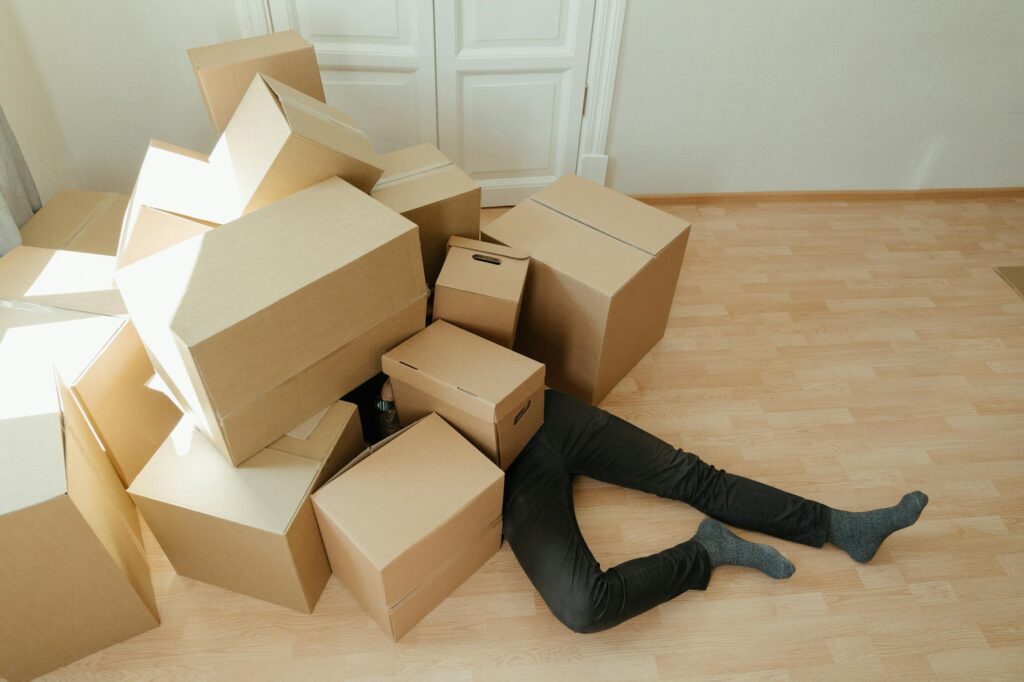
At one point, my apartment honestly started looking like a hoarder scenario.
That’s when I realized:
inventory size matters just as much as profit.
If you live in:
- an apartment
- a smaller home
- or just don’t have unlimited space
this becomes important very quickly.
Shipping Costs Scare Buyers Away
This was another huge lesson.
A buyer might see:
- a $50 printer
- or even a $100 printer
But then the shipping is:
- $40
- $50
- or more
That’s simply the reality of shipping large items.
But because of companies like Amazon, many buyers now expect shipping to feel “free.”
Of course it’s not actually free:
– large companies simply bake the shipping cost into the item price and absorb part of it at scale.
Smaller sellers usually can’t do that without losing money.
So even when your shipping price is completely fair:
– buyers still get scared away by large shipping costs.
That became another reason I slowly moved away from larger inventory.
If you’re curious how I keep shipping running smoothly, check out my other article: How I Avoid eBay Shipping Mistakes
Packing Large Items Is Stressful
Packing large items is not just:
– “put it in a box and tape it.”
You need:
- more tape
- more padding
- larger boxes
- stronger protection
- and much more careful packing overall
Sometimes packing one large item would take me:
- 30 minutes
- even close to an hour early on
because I was trying to make sure it could survive shipping safely.
And honestly:
you almost have to pack large items like they may get dropped from a height during transit.
You need enough protection that the item can survive rough handling from carriers like USPS or UPS.
That stress eventually stopped feeling worth it to me.
Large Items Take Longer to Process
One thing beginners underestimate is how much extra time larger items require.
They usually take longer to:
- clean
- test
- photograph
- store
- and pack
Sometimes you even need a completely separate area just to photograph the item properly.
Meanwhile:
smaller items can often be:
- tested quickly
- photographed quickly
- listed quickly
- and stored easily
That difference adds up over time.
Smaller Items Scale Better
One of the biggest advantages of small inventory is scalability.
Smaller items:
- fit into totes easier
- organize easier
- store easier
- and move easier
You can store:
- hundreds of small items
in the same space as a handful of large ones.
That matters a lot once your inventory grows.
I Still Sell Large Items Occasionally
This doesn’t mean I completely avoid large items forever.
Sometimes:
- the profit is high enough
- the item is rare enough
- or the opportunity is too good to ignore
But now I evaluate those items much more carefully than I used to.
The item has to justify:
- the space
- the shipping difficulty
- the packing materials
- and the extra time involved
And honestly, even when I do sell large items now:
– I usually end up grateful that most of my inventory is smaller.
What I Prefer Selling Now
These days, I strongly prefer:
- phones
- cameras
- iPods
- remotes
- camcorders
- small electronics
- vintage collectibles
- old ephemera
- lightweight items
Things that:
- store easily
- pack quickly
- ship safely
- and don’t create unnecessary stress
If you’re unsure what to focus on:
– research sold listings on eBay and look for smaller items that are selling faster than people can list them.
That’s usually a very good sign.
Final Thoughts
Large items are not automatically bad.
But they often come with hidden costs:
- time
- stress
- storage problems
- expensive shipping
- and packing headaches
For me personally, smaller items simply fit my workflow much better.
The longer I’ve done this, the more I value:
- simplicity
- consistency
- and easy-to-manage inventory