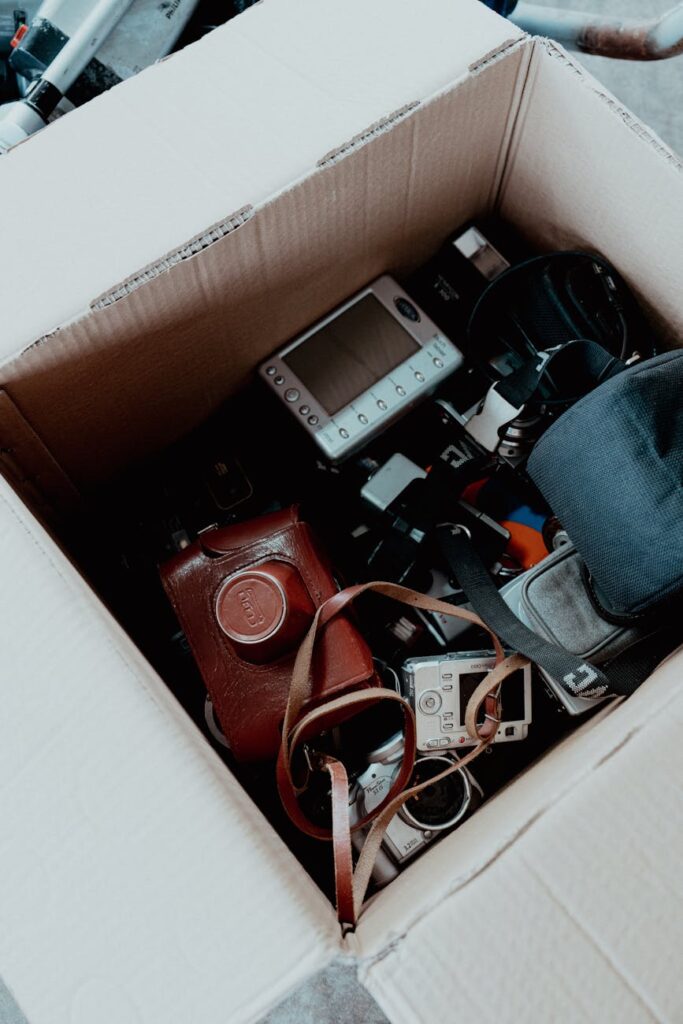
One of the biggest things I learned early on is that not every item is worth listing.
When I first started, I didn’t really know what to sell.
I thought certain things would perform much better than they actually did.
So the best mindset starting out is honestly:
– come into reselling with humility
Assume:
- you don’t know yet
- the market knows more than you
- and sold listings will tell you the truth very quickly
That mindset saves a lot of time and bad purchases.
If you’re new to reselling, learning how to decide what is worth selling on eBay can save you a huge amount of time and money.
Sold Listings Matter More Than Opinions
Before listing or buying something to resell, I check sold listings.
Not active listings.
Sold listings.
If something isn’t selling, then buyers simply do not want it right now.
It’s usually unrealistic to believe you’ll somehow be the one person who can successfully sell something that nobody else is buying.
Just follow what has already been proven.
I also compare:
- sold listings
- active listings
If sold listings are:
- equal to active listings
- or higher
– that’s usually a very good sign
This takes less than a minute and can save you from buying terrible inventory.
Small Items Are Usually Better
One of the biggest reasons I prefer smaller items is simply:
– space
If you live in:
- an apartment
- a smaller home
- or don’t have unlimited storage
you need to think ahead.
50 items might not seem like much.
But:
- 500
- 1000
- or more
starts taking up real space quickly.
That’s why I personally prefer:
- smaller electronics
- phones
- iPods
- cameras
- game accessories
- vintage paper items
- postcards
- lightweight collectibles
These are easier to:
- store
- organize
- pack
- and scale
Here’s more on my how I organize with limited space: How I Organize eBay Inventory
Large Items Need to Be Worth It
I still sell larger items sometimes.
But they need to justify:
- the storage space
- the packing materials
- the shipping cost
- and the extra time involved
If a large item barely makes more profit than a small item:
– I usually prefer the small item
It’s just easier overall.
“For Parts” Items Are Extremely Underrated
A lot of beginners think broken items are worthless.
That’s completely untrue.
There are:
- refurbishers
- repair shops
- collectors
- parts buyers
actively searching for non-working items.
Sometimes the inside of a device is still valuable even if the outside is completely broken.
Other times:
- the motherboard
- chips
- rare parts
- screens
- or components
still have value.
Bulk Lots Can Be Better Than Selling Individually
Sometimes an item is not worth selling individually.
If something is only worth:
- $10
- $15
- maybe $20
I will often group similar items together into a lot.
Examples:
- cameras
- phones
- accessories
- electronics
Then I compare:
- sold lot listings
- average lot prices
- and demand
Bulk lots are great because:
- they move inventory faster
- save time
- and reduce storage clutter
Testing Helps You Decide Faster
Basic testing tells you a lot very quickly.
Things like:
- power
- charging
- buttons
- ports
- screen condition
can help you decide:
– whether something is worth fully testing
– or whether it should just be sold for parts
Not every item deserves hours of troubleshooting.
Sometimes it’s better to:
- test the basics
- be honest
- and move on
For more on this I have a separate post here: How to Test Electronics for eBay
Time Matters Just As Much As Profit
This is a huge lesson in reselling.
A higher selling price does not automatically mean better profit overall.
If something:
- takes forever to test
- takes forever to clean
- is difficult to ship
- and sits for months
then it may not actually be worth your time.
Meanwhile:
- smaller items
- easy-to-ship items
- fast listings
- consistent demand
can outperform larger profits over time simply because they move faster.
Shipping Difficulty Matters Too
Shipping matters more than people think.
If an item can:
- be bubble wrapped quickly
- taped once or twice
- dropped into a poly mailer
– that is ideal
That process is:
- fast
- simple
- cheap
- and repeatable
Boxes are sometimes necessary, especially for:
- fragile items
- expensive items
- awkward items
But if I can safely avoid using a box:
– I usually will
Final Thoughts
The goal is not simply:
– “Can this item sell?”
The better question is:
– “Is this item worth my time, space, effort, and shipping costs?”
That’s a completely different mindset.
The faster you learn how to evaluate items realistically, the easier reselling becomes.