Should you clean items before selling on eBay? When I first started reselling, I assumed every item needed to look almost brand new before listing it. After selling thousands of items, I’ve learned that cleaning isn’t always worth the time.
Honestly, I probably spent far too much time doing it.
I would polish almost anything if I thought it might make the item look a little better.
After selling more than 3,800 items, I’ve learned that cleaning isn’t always worth the time—and sometimes trying to clean something can actually make it worse.
Today, however, I still clean many of the items I sell, but I don’t clean everything.
Instead, I ask myself one simple question:
Will cleaning this item increase its value enough to justify the time?
That decision has become almost automatic now.
I don’t really stop and think about it anymore.
After cleaning thousands of items, my brain usually decides within a second or two whether it’s worth the effort.
Before I even decide whether something should be cleaned, though, I first decide whether it’s worth selling at all. If you’re interested in that process, check out How I Decide If Something Is Worth Selling on eBay.
My Goal Isn’t Spotless Items
My goal isn’t to make every item look brand new.
My goal is to get the best return on my time.
Sometimes that means spending a few minutes cleaning an item.
Other times, it means doing absolutely nothing.
Instead, every minute I spend polishing one item is a minute I’m not:
- listing inventory
- testing electronics
- sourcing more items
- shipping sold orders
Time is part of every profit calculation.
As your business grows, this becomes even more important.
When you’re just starting out, money may feel more valuable than time.
However, as your business becomes more consistent, time often becomes your most valuable resource.
Don’t Make an Item Worse Trying to Make It Perfect
This is probably one of the biggest lessons I’ve learned.
Sometimes cleaning actually makes an item look worse.
I’ve seen older iPods and phones that still had their original screen protectors attached.
Some of those old protectors peel off perfectly.
On the other hand, some have become so brittle over the years that they crumble into tiny pieces the moment you start removing them.
Then you’re left scraping sticky adhesive off the screen.
At that point, what started as a quick cleaning project suddenly becomes something much bigger.
Sometimes it’s simply better to leave things alone.
Learning when not to clean something is just as important as knowing when to clean it.
Most Cleaning Should Be Quick
Most of the cleaning I do takes seconds—not hours.
That usually means for example:
- wiping away fingerprints
- removing dust
- cleaning a dirty screen
- blowing dust out of charging ports
- giving the item one final wipe before taking photos
I keep small microfiber cloths and screen-cleaning spray nearby.
For example, right before photographing an item, I’ll usually give the front a quick wipe, take the pictures, flip it over, wipe the back, and photograph that too.
Then, right before wrapping the item for shipping, I’ll often give it one last quick wipe.
Those little things don’t take long, but they help present the item in its best light.
If I’m cleaning for an hour, I’m probably doing something wrong.
Sometimes Tiny Changes Add Huge Value
Occasionally a very small amount of cleaning makes a dramatic difference.
One example I’ve seen several times involves older phones and iPods.
At first glance, the screen looks badly cracked.
The seller often assumes the device has a damaged display.
But after removing the old screen protector, you discover the actual screen underneath is almost flawless.
The screen wasn’t cracked at all.
Only the old protector was.
Those moments are rewarding because you haven’t repaired anything—you’ve simply revealed what was already there.
Electronics Don’t Need to Look Brand New
Most of the electronics I sell are used.
Buyers expect them to look used.
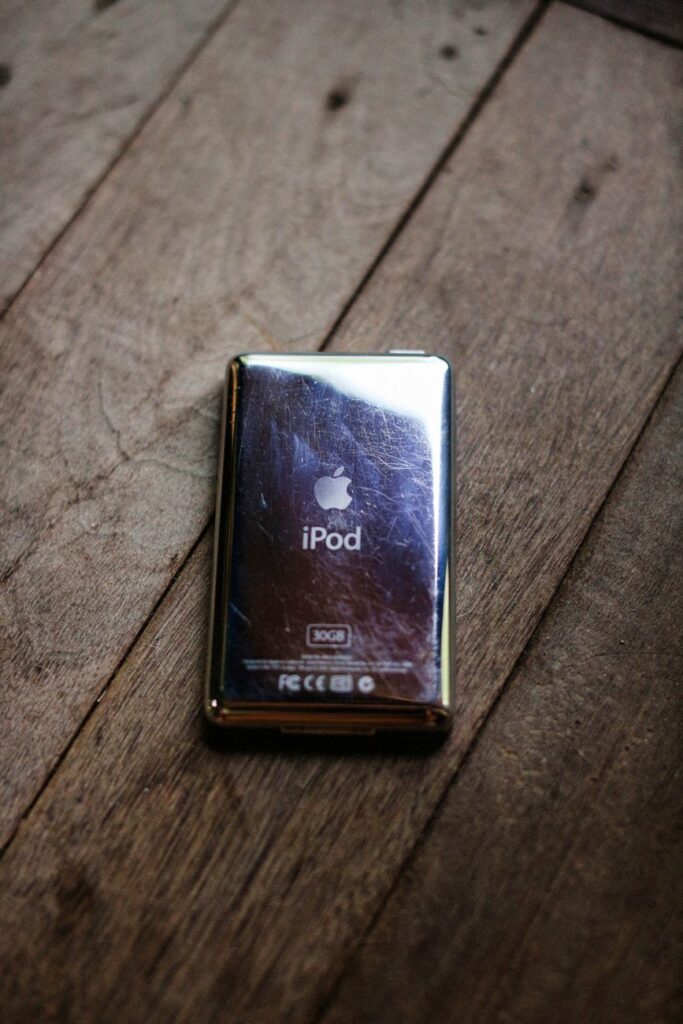
I’m not trying to make a fifteen-year-old iPod look factory fresh.
I’m simply trying to make it look well cared for.
Sometimes I’ll use compressed air to blow dust out of charging ports, speaker grills, or headphone jacks.
In particular, older electronics often have large charging ports that collect lint, dust, or tiny bits of paper over the years.
A quick blast of compressed air—or carefully removing debris with a small plastic tool—can make the device look cleaner and even help the charging cable fit properly.
Small improvements like that are usually worth doing.
Cleaning Isn’t the Same as Repairing
Cleaning improves appearance.
Repairing restores functionality.
Replacing a battery…
repairing a charging port…
soldering components…
Those are repairs.
Wiping fingerprints off a screen is not.
If you’re interested in how I decide whether a repair is worth doing, I wrote about that in Why I Usually Don’t Repair Electronics Before Selling Them.
Some Things Should Barely Be Touched
Not everything benefits from cleaning.
Vintage paper…
old manuals…
antique advertisements…
trading cards…
Certain collectibles can actually lose value if they’re cleaned too aggressively.
Sometimes I even wear disposable gloves when handling older paper items so I don’t transfer oils from my hands onto something that’s survived for decades.
When I’m unsure, I usually leave those items alone.
It’s much easier to explain honest wear than to explain accidental damage.
Every Category Is Different
Not surprisingly, different categories benefit from different kinds of cleaning.
Clothing often looks much better after:
- removing lint
- steaming wrinkles
- treating a small stain with a stain-removal pen
Shoes usually benefit from brushing off dirt.
Electronics mostly need fingerprints and dust removed.
Collectibles often need very little at all.
Over time you’ll naturally start recognizing what buyers expect in each category.
Honest Photos Matter More Than Perfect Cleaning
Most importantly, one thing I never try to do is hide flaws.
If an item has scratches…
I photograph them.
If there’s a crack…
I show it clearly.
If the battery doesn’t hold a charge…
I say so.
Setting realistic expectations is far more important than making an item appear perfect.
I’ve found buyers appreciate honesty.
Many of my listings describe flaws directly in both the title and the description.
I’d much rather slightly undersell an item’s condition than oversell it and disappoint someone.
Good lighting, accurate descriptions, and honest photos are usually far more valuable than spending another thirty minutes trying to remove one tiny mark.
Good photos also help buyers appreciate the improvements you do make. If you’re interested in my setup, I cover it in My Simple Photo Setup for eBay (What I Actually Use).
Experience Changes Your Judgment
When I first started reselling, I cleaned almost everything.
These days, I ask better questions.
Will buyers notice?
Will this increase the value?
Will it help the item sell faster?
Is the extra time actually worth it?
Those decisions happen almost instantly now.
That’s something experience gives you.
Experience also changes how quickly you make other listing decisions. I walk through my entire process in My Simple eBay Listing Workflow (From Item to Listing).
Final Thoughts
Cleaning is part of reselling.
But it isn’t the goal.
The goal is creating value while using your time wisely.
Some items deserve extra attention.
Meanwhile, others are better listed after a quick wipe—or even left completely alone.
One of the biggest lessons I’ve learned is this:
Don’t make an item worse trying to make it perfect.
If cleaning noticeably improves the item without costing much time, I do it.
If it doesn’t, I’d rather spend that time listing the next item.
Over thousands of sales, those small decisions add up.
New to Reselling? Start Here
If you’re just getting started, these articles explain many of the systems I use every day: