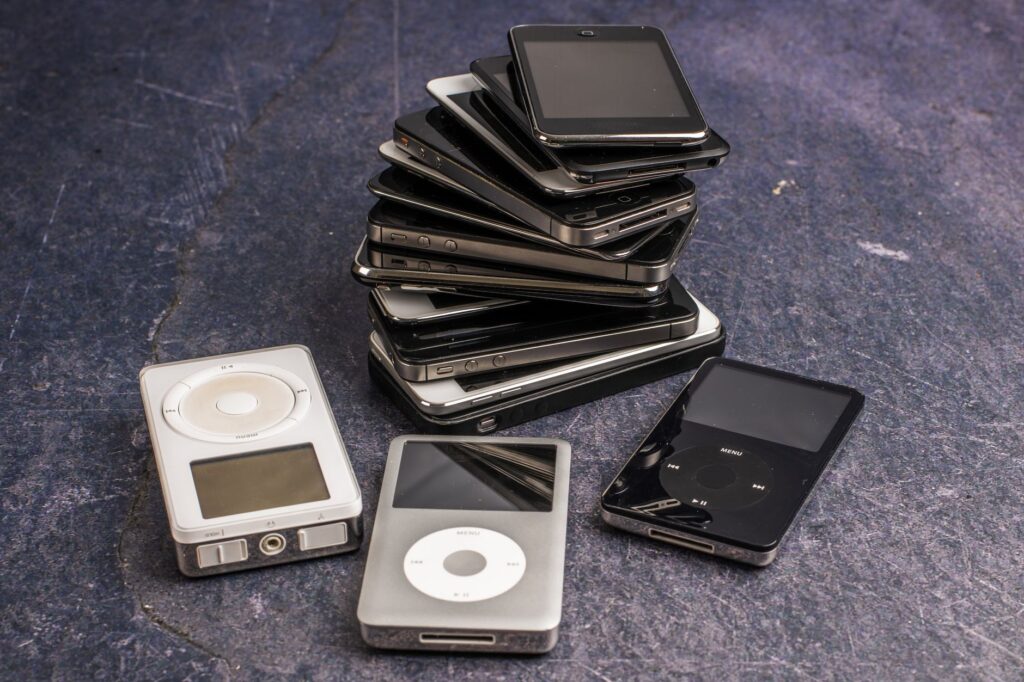
Buying untested electronics can be one of the easiest ways to make money on eBay.
It can also be one of the fastest ways to lose money.
So should you buy untested electronics to resell?
My answer is:
It depends.
The biggest mistake isn’t buying untested electronics. It’s paying too much for them.
Over the years, I’ve bought thousands of electronics to resell, including iPhones, iPods, cameras, calculators, MP3 players, game consoles, and plenty of other devices.
Some of those purchases turned into great profits.
Others didn’t.
The biggest lesson I’ve learned isn’t how to avoid untested electronics.
Before I buy anything, I usually go through the same research process I describe in How I Know an eBay Item Will Sell Before I Buy It.
It’s learning how to recognize when the risk is actually worth taking.
“Untested” doesn’t automatically mean broken, but I pay close attention to how the seller describes it. I explain how I interpret those terms in What Does “Tested” Mean on eBay? What Buyers and Sellers Should Know.
I Assume Every Untested Item Is Broken
This is probably the biggest rule I follow.
Whenever I see an item listed as untested, I don’t assume it works.
I don’t even assume it probably works.
I assume it’s broken.
Then I ask myself one question:
If this item is completely broken, can I still make money?
If the answer is yes, I’m much more interested.
If the answer is no, I usually pass.
Ironically, many of those “broken” items end up working just fine.
But I never base my buying decision on that possibility.
I’d rather be pleasantly surprised than disappointed.
Untested Doesn’t Always Mean Broken
One mistake many new resellers make is assuming “untested” automatically means defective.
Sometimes it does.
Sometimes it simply means the seller doesn’t have the charger.
Sometimes the battery is dead.
Sometimes they don’t know how to test it.
Sometimes they just don’t want to spend the time.
Garage sales, estate sales, flea markets, and even many eBay sellers are simply trying to clear out old belongings.
If you’re unsure what sellers actually mean by the word untested, I break that down separately in What Does “Untested” Mean on eBay? Does It Mean Broken?
They aren’t electronics experts.
They’re cleaning out a closet, an attic, or a family member’s house.
Rather than guessing whether something works, they honestly list it as untested.
That’s often where good opportunities come from.
Learn to Read the Seller
I also pay attention to who is selling the item.
There’s a big difference between buying an untested camera from someone’s garage sale and buying an “untested” iPhone from an eBay seller whose store is full of tested electronics.
Whenever I see someone selling dozens of working devices while also listing similar items as “untested,” I become much more cautious.
Sometimes that’s completely legitimate.
Other times it makes me wonder if the seller already knows something I don’t.
I don’t automatically avoid those listings, but I definitely evaluate them more carefully.
Price Is Everything
Price is usually what decides whether I buy an untested electronic.
If someone wants close to full market value for an untested device, I’m always going to pass.
There has to be enough room for the risk.
Personally, I usually want a significant discount before I’ll even consider buying an untested item.
Exactly how much depends on the device, but I’m often looking for something that’s half the normal value—or even less.
If the numbers don’t work assuming it’s broken, they definitely don’t work for me.
Think About the Worst-Case Scenario
One habit that’s saved me a lot of money is thinking about the downside first.
Instead of asking,
“What if this works?”
I ask,
“What if it doesn’t?”
If it’s completely dead…
If it has a bad battery…
If the screen doesn’t work…
If it’s only worth selling for parts…
Can I still make money?
If the answer is yes, then I’m much more comfortable buying it.
That same way of thinking also helps me decide whether an item is worth selling at all, especially once shipping, testing, and storage are factored in.
Some Electronics Keep Their Value
Not every electronic becomes worthless when it stops working.
In fact, some categories still have strong demand even when they’re broken.
Phones.
iPods.
Game consoles.
Vintage electronics.
Many buyers are specifically looking for these items because they repair them, harvest parts, replace batteries, or refurbish them. That’s one of the reasons I usually don’t repair electronics myself before listing them.
That’s why I never assume a broken device has no value.
Sometimes the parts are worth almost as much as a working unit.
Condition Matters Just as Much
Even before I think about whether something powers on, I’m studying the photos.
I’m looking for things like:
- Battery corrosion
- Cracked screens
- Broken charging ports
- Missing covers
- Heavy scratches
- Water damage
- Signs someone already attempted a repair
A clean-looking device doesn’t guarantee it works.
But obvious physical damage often tells me a lot before I ever buy it.
If I decide to buy the item, I’ll usually go through a quick testing process before listing it.
Experience Changed My Buying Strategy
When I first started reselling, I actually took more risks than I do today.
I’d buy something untested, discover it worked, make good money, and start thinking:
“Maybe most untested electronics work.”
That confidence cost me money.
Eventually I bought a few expensive mistakes that reminded me not to get ahead of myself.
Now I’m much more disciplined.
I still buy plenty of untested electronics.
I just assume the worst instead of hoping for the best.
One Tool That’s Saved Me Money
If you buy cameras or point-and-shoot cameras regularly, I highly recommend buying a universal camera battery charger.
They’re inexpensive and work with many flat rechargeable camera batteries by letting you adjust two small contact pins to match the battery terminals.
Instead of buying a different charger for every camera you come across, you can often use one universal charger to quickly determine whether a battery will take a charge.
It’s a simple tool, but it has saved me both time and money over the years.
You Don’t Have to Buy Every Deal
One of the hardest lessons for new resellers is realizing that you don’t have to buy something just because it might make money.
If the price feels too high…
If the condition worries me…
If the seller’s description doesn’t make sense…
Or if I simply don’t feel confident…
I usually walk away.
That decision often takes less than thirty seconds.
Sometimes I’ll quickly check recent sold listings.
Sometimes I’ll compare prices.
Sometimes I’ll simply trust my instincts and move on.
There will always be another opportunity.
In fact, leaving most items behind has probably saved me more money than buying every deal I came across.
Buying a bad deal usually hurts more than missing a good one.
Final Thoughts
So, should you buy untested electronics to resell?
Sometimes.
For me, the secret isn’t predicting whether an untested item works.
It’s assuming it doesn’t.
If I can still make money in the worst-case scenario, then I’ll seriously consider buying it.
If I can’t, I leave it behind.
Learning to recognize good buying opportunities is one of the biggest reasons certain categories consistently perform better than others.
That simple mindset has probably saved me more money than any sourcing tip I’ve ever learned.
Buying untested inventory is only the beginning. I explain everything I do after sourcing it in How I Sell Used Electronics on eBay (My Complete Process).
New to Reselling? Start Here
If you’re interested in buying electronics to resell, these articles pair well with this one: